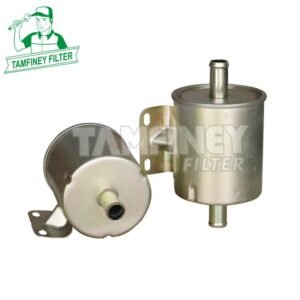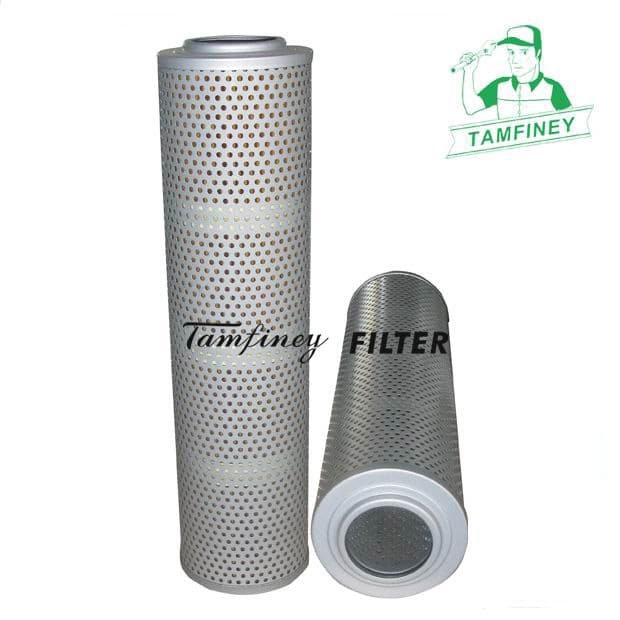



| Hydraulic Filter 4227353 4159319 4508505 HF7921 Parameter: | |
| Part Number | 4227353 4159319 4508505 HF7921 |
| Brand | Tamfiney |
| Weight | 1235g |
| Height | 439 mm |
| Outer Diameter | 112 mm |
| Inner Diameter/ Thread Size | 70mm |
| Minimum Order | 100 PCS |
| Place of Region: | Zhejiang, China |
| Payment Terms: | T/T |
| Price Terms: | FOB |
| Lead Time: | 30 to 50 days based on order quantities |
| Market Type: | After Market |
| Current Export Market: | Southeast Asian,North America, South America, Western Europe, Eastern Europe, Africa, Oceania |
Applications:
BOBCAT E 80E 80E 85E 85
DOOSAN DX 85 R-3DX 85 R-3
DOOSAN DAEWOO DH 130-2DH 130 LC VDH 130 V RWSOLAR 155 LC-VSOLAR 170SOLAR 170 V LCSOLAR 170 W IIISOLAR 200 W IIISOLAR 220 III LCSOLAR 220 LC
FIAT HITACHI EX 100-2EX 100-3EX 100 M-2 LC-3FH 150 W-3FH 150 W-3
HITACHI EX 100EX 100-5EX 100 WDEX 120EX 120-5EX 150EX 160EX 160 WDUH 07-5UH 123UH 143UH 143 LCUH 62UH 81UH 83WH 051 DWH 073 D
Premium Return Filter Hydraulic 4227353 4159319 4508505 HF7921
Q: What is a hydraulic return filter?
Hydraulic return oil filter is a low-pressure filtration device installed on the top of the hydraulic system return oil pipeline or oil tank, used to intercept wear particles and impurities before the oil returns to the oil tank, and maintain the cleanliness of the oil.
Core Definition and Function
- Definition: A terminal filtration device placed between the actuator (hydraulic cylinder/motor) and the oil tank, specifically designed to filter metal powder, rubber debris, and external contaminants generated in the return oil.
- Core function: To prevent pollutants from re circulating into the pump and valve assembly, protect precision components, extend system life, and control the level of oil contamination.
- Job characteristics: It can withstand low pressure (usually ≤ 1.6MPa), but needs to withstand pulsation and instantaneous impact of return oil flow. It is often integrated with a bypass valve to prevent system failure caused by blockage.
Key structures and parameters
1.Filtration accuracy: The mainstream range is 10-20 μ m (glass fiber filter can reach 3-5 μ m), corresponding to NAS 8-11 cleanliness standards.
2. Core components: including filter element (fiberglass/paper/metal mesh), bypass valve (automatically conducts when blocked), differential pressure transmitter (alarm prompt), and check valve (anti backflow).
3. Pressure resistance characteristics: The rated working pressure is generally ≤ 25 bar (about 2.5 MPa), and the maximum allowable pressure difference is usually 0.3~0.35 MPa.
Selection and maintenance points
- Flow matching: The rated flow rate must be greater than the maximum return oil flow rate of the system (including the doubling effect caused by the piston rod area ratio), to avoid generating excessive back pressure that affects the action of the executing components.
- Replacement timing: Replace based on the pressure difference alarm signal, fixed cycle (such as 250 hours for the first replacement and every 500 hours thereafter), or oil detection results.
- Safety mechanism: When the filter element is clogged and the pressure difference exceeds the standard, the bypass valve opens to ensure smooth oil flow. However, at this time, the oil has not been filtered and needs to be maintained immediately.
Q: What is the difference between a pressure line filter and a return line filter?
The core difference between pressure line filters and return line filters lies in their installation position, pressure bearing capacity, filtration accuracy, and protection objects: the former is located on the high-pressure side of the pump outlet (1-10 μ m, precision valve components), while the latter is located on the low-pressure side of the system return tank (10-20 μ m, anti pollutant backflow).
Comparison of core differences
- Installation position: The pressure pipeline filter is installed on the high-pressure pipeline between the hydraulic pump outlet and the actuator; The return oil pipeline filter is installed on the pipeline from the actuator to the oil tank or at the top of the oil tank.
- Work pressure: The pressure filter needs to withstand the full system pressure (usually 6.3~32MPa or even higher), and the shell strength is high; The return oil filter only bears back pressure (usually ≤ 1.6MPa), and the housing is relatively thin and light.
- Filtration accuracy: The pressure filter has high accuracy (mainstream 1-10 μ m), used to intercept small particles and protect servo/proportional valves; The precision of the return oil filter is relatively low (mainstream 10-20 μ m), mainly capturing wear debris to prevent contamination of the fuel tank.
- Protection target: The pressure filter directly protects downstream precision control components and actuators; The return oil filter mainly maintains the cleanliness of the oil in the tank and indirectly protects the quality of the oil sucked in by the hydraulic pump.
- Structural characteristics: The pressure filter must withstand high-pressure impact and is often equipped with a high-pressure bypass valve and a differential pressure transmitter; Return oil filters often have high flux, low flow resistance designs, and some are equipped with diffusers to suppress air bubbles.
Summary of Key Parameters
1. Pressure level: pressure filter (high pressure, such as 21MPa/32MPa); Return oil filter (low pressure, such as 1.0MPa/1.6MPa).
2. Accuracy range: pressure filter (1, 3, 5, 10 μ m); Return oil filter (10, 20, 25 μ m).
3. Filter material: Pressure filters often use fiberglass composite filter materials or stainless steel sintered felt; Fiberglass filter paper, wood pulp filter paper, or synthetic fiber materials are commonly used for oil return filters.
4. Failure consequences: clogged pressure filters can easily cause pump overload or bypass opening to contaminate the system; The blockage of the return oil filter mainly causes an increase in the back pressure of the return oil, which may damage the seal or cause oil overflow.
The two are not interchangeable: installing a high-pressure filter in the return oil circuit will cause unnecessary pressure loss and cost waste; The return oil filter installed in the pressure circuit may burst due to the inability to withstand high pressure, leading to serious accidents.